Wastewater Management
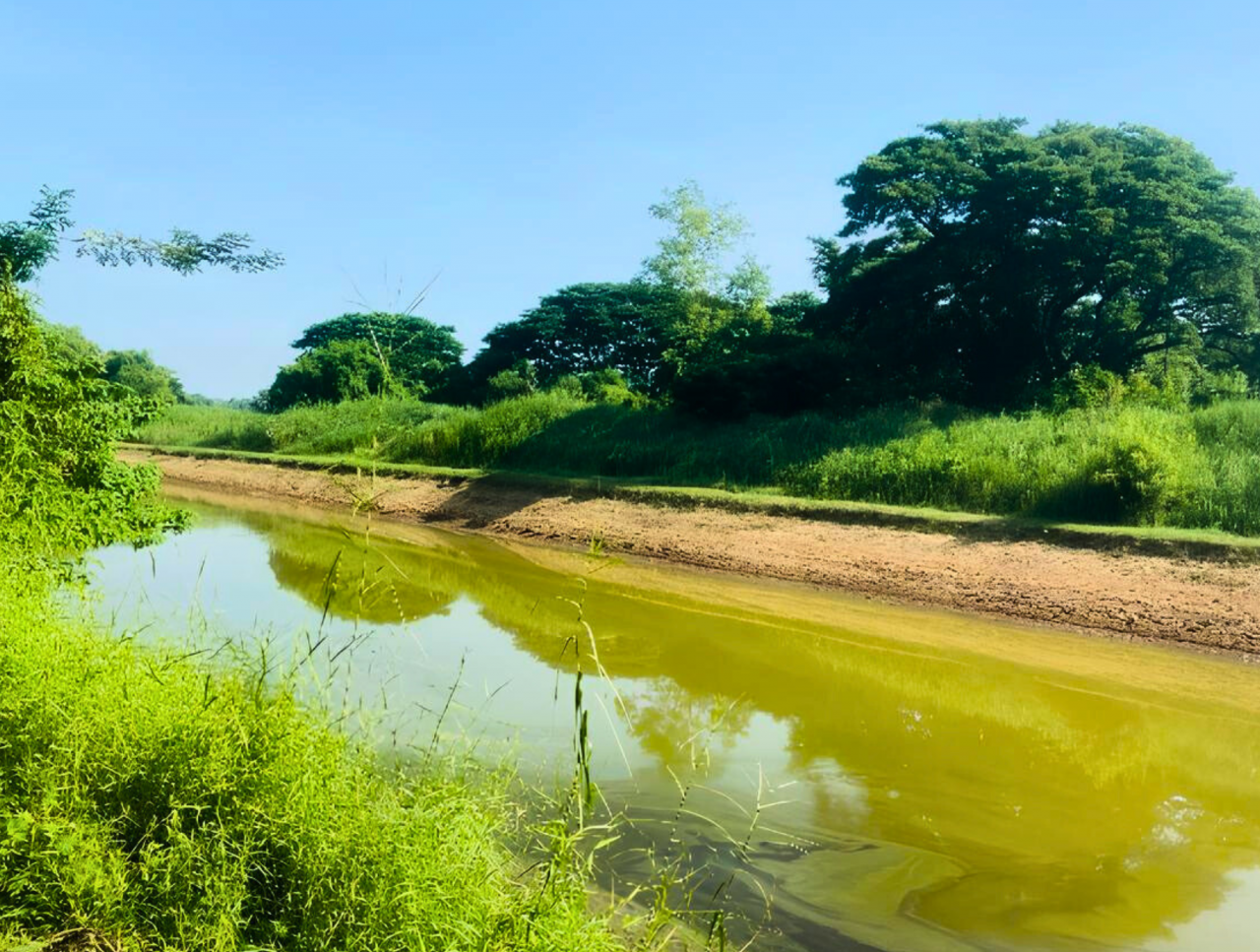
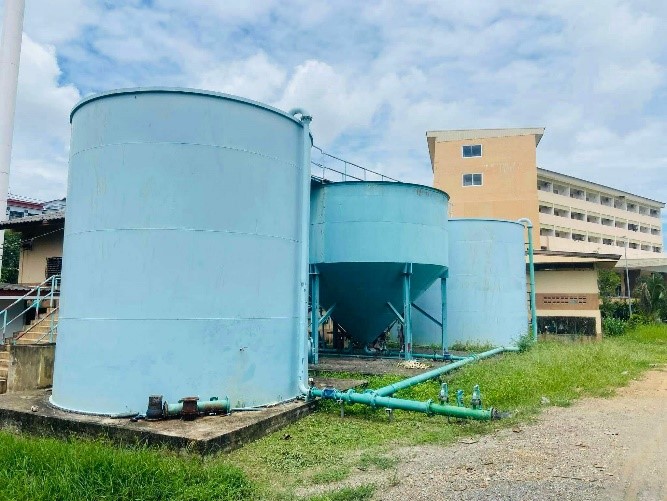
The university has a wastewater treatment process design that covers the entire campus. Wastewater treatment points have been designated in the campus buildings and a wastewater system has been installed before discharging the treated wastewater into the natural water grid. The wastewater treatment system is maintained to function normally and water quality is regularly checked.
1. The amount of water used within the university is monitored by installing water meters throughout the university, totalling 38 points. The university has collected data on the amount of water production and consumption within the university. The operation is carried out by extracting water from the river through the process of extracting and filtering water and then sending it to the water distribution process within the university.
2. The university's wastewater treatment system has been improved as part of improving the university's water production system. The treated water flows into the water source, and water from the natural water source is taken into the treatment process and produces tap water for use within the university.
3. There are two parts of water management to treat and prevent water pollution from entering the water sources within the university: installing a water barrier covering the water receiving area outside campus, and installing a wastewater treatment system for Academic buildings within the university are separated into 3 types of treatment systems:
1. Wastewater treatment systems supporting use in office buildings and general academic buildings,
2. Wastewater treatment systems for science laboratory buildings, and
3. Wastewater treatment systems for restaurants within the university,
4. Free drinking water is provided for personnel and university students. Water filters have been installed in buildings. There are constructions and renovations of buildings within the university, and it has been determined to use water-saving equipment.
5. Plants are selected for planting within the university that are suitable for the climate of Thailand. They are tropical garden plants, which are sun-tolerant and can support humidity, which makes them easy to care for and build and provide a beautiful landscape
6. There is work to promote awareness of water use within the university by operating through the Green Office Project, through public relations communications both through public relations boards and online through the website of Kamphaeng Phet Rajabhat University.
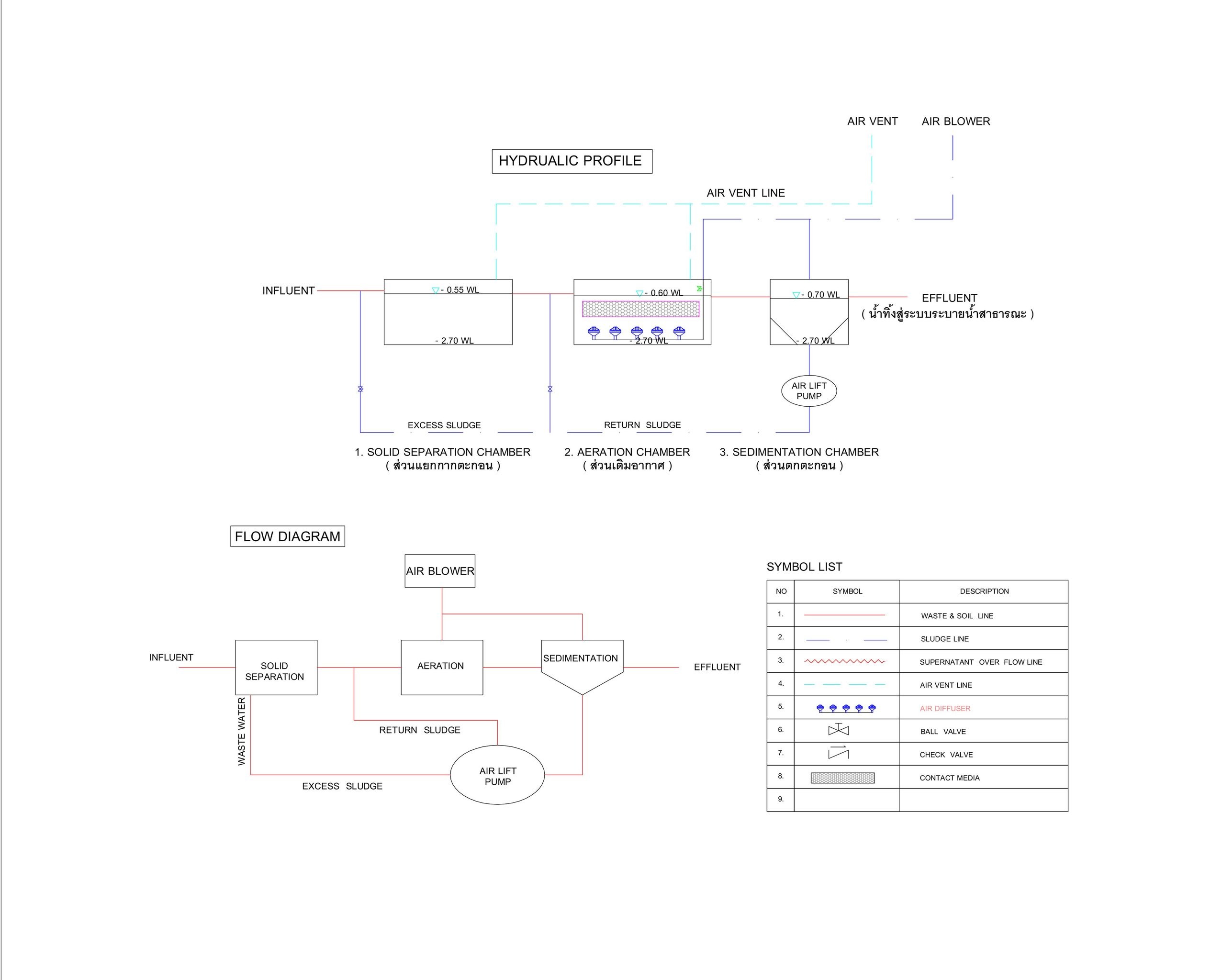
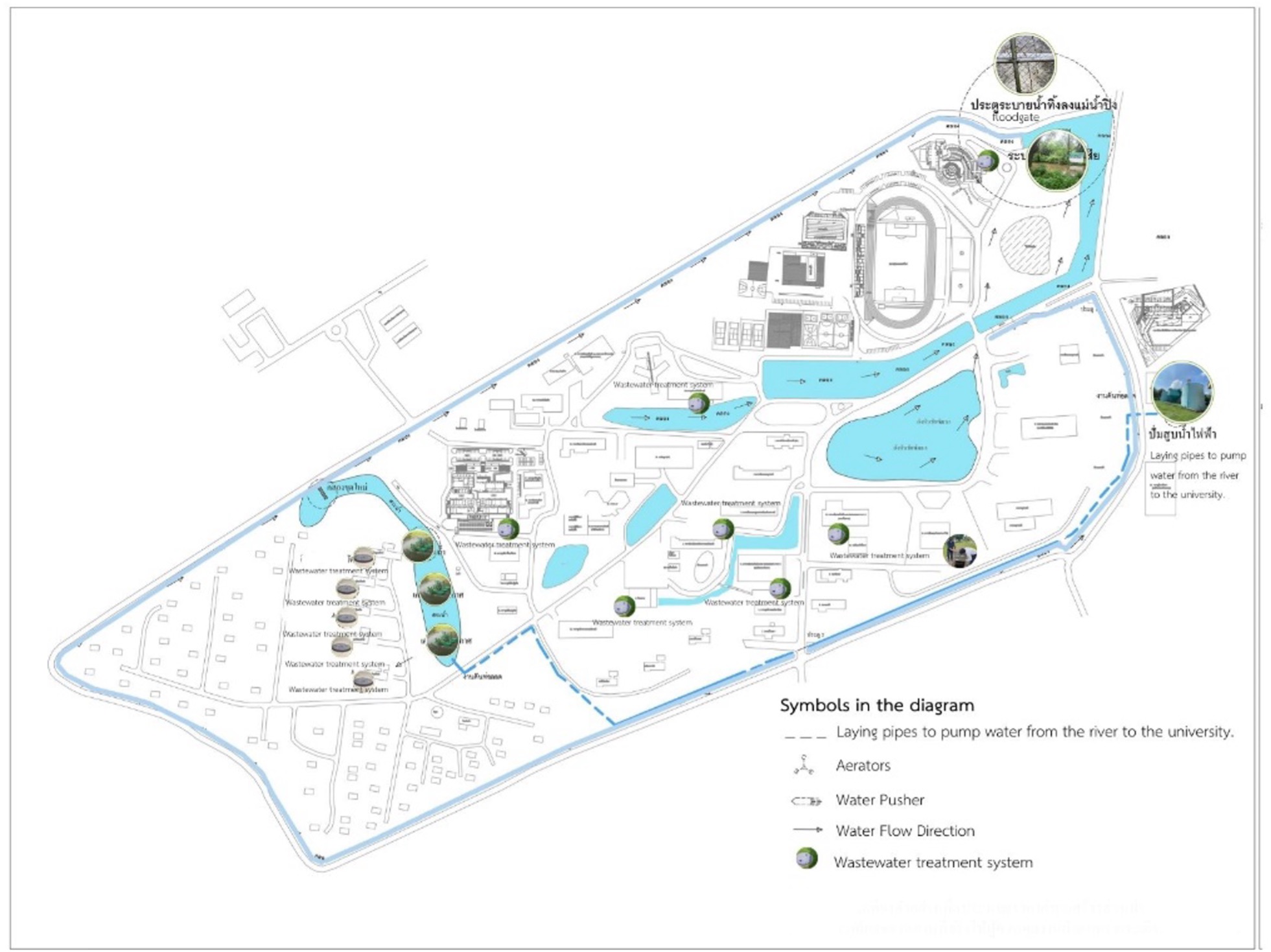
The university manages wastewater through a network that connects building-level treatment systems with the campus wastewater collection and central treatment system. Wastewater from buildings equipped with treatment facilities passes through screens before entering aerated treatment systems. Some facilities also incorporate grease traps prior to treatment, while others include automatic chlorine dioxide disinfection. The effluent then flows into the campus drainage canals, which also receives wastewater from buildings without treatment systems and water from other campus areas.
The drainage canals are connected to a central aerated wastewater treatment system to improve water quality. Treated effluent is returned to the canal, and outflow is regulated through a drainage control sluice gate. A water wheel and a water flow accelerator are also installed along the route connecting the public pond to the drainage network. In addition, water is pumped from the drainage canal for watering trees and maintaining campus green areas.
Campus water management system
 Related SDGs