Greenhouse Gas Emission Reduction Activities
Kamphaeng Phet Rajabhat University surveys activity data and identifies both direct and indirect sources of greenhouse gas emissions in accordance with the GHG Protocol, the global accounting standard for the public and private sectors, developed by the World Resources Institute (WRI) and the World Business Council for Sustainable Development (WBCSD). Greenhouse gas emissions are categorized into three scopes:
Scope 1: Direct Emissions
Emissions from fuel combustion in the University’s transportation systems.
Scope 2: Indirect Energy Emissions
Indirect greenhouse gas emissions from purchased electricity used within the University.
Scope 3: Other Indirect Emissions
Waste: Emissions generated from incineration or landfill disposal of waste.
Wastewater: Emissions released from wastewater discharge and treatment.
Greenhouse Gas Emission Reduction Activities
- Green Office Initiatives
Promoting environmentally friendly behavior and energy-efficient practices in offices to reduce electricity usage. - Waste Segregation Awareness Campaigns
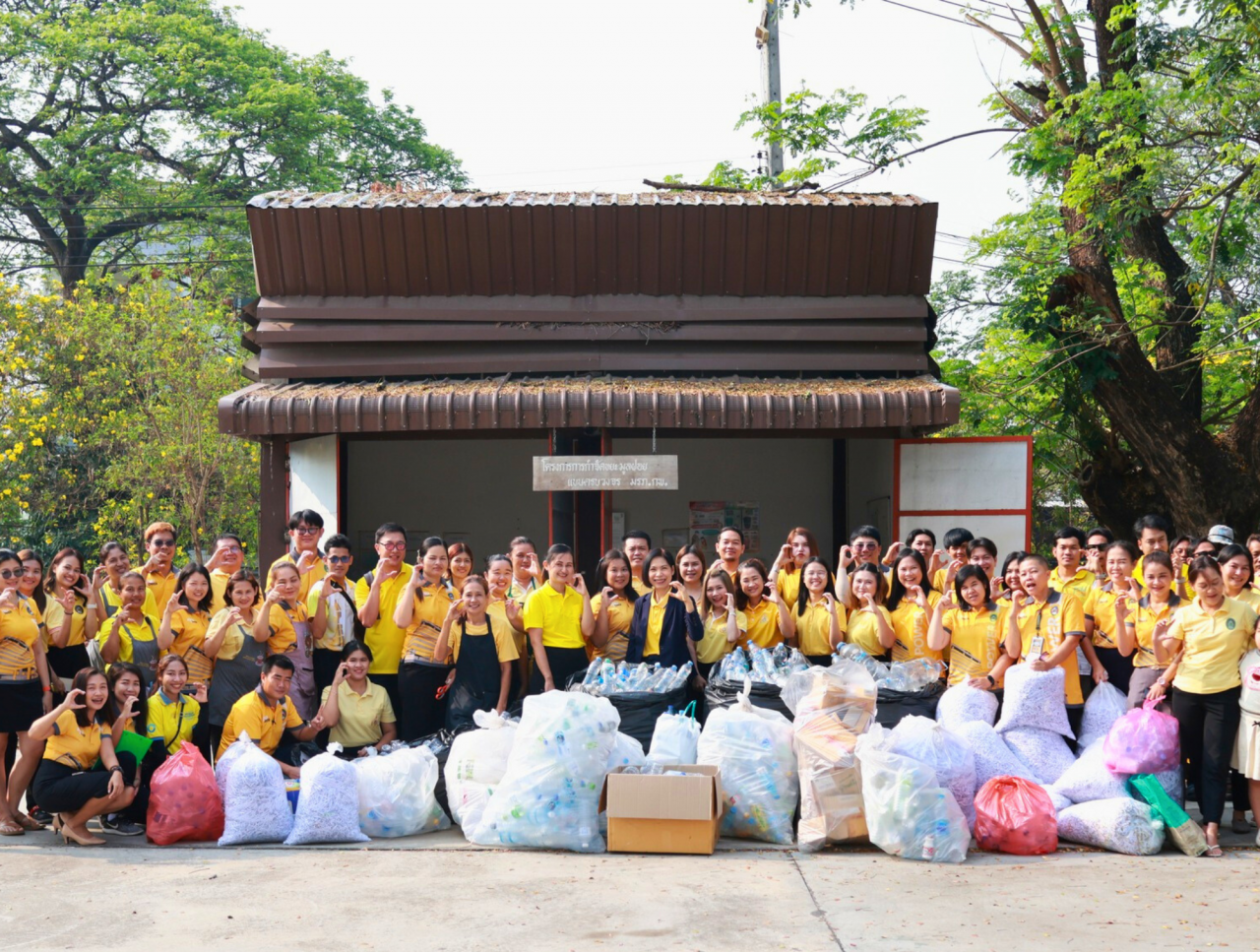
Encouraging proper waste separation for efficient waste management across the campus. - Waste Bank Program
Increasing the value of recyclable waste, creating income opportunities, and reducing total waste produced within the University. - Water Source Development Project
Improving waterways and conservation areas to enhance water flow, air circulation, and water quality within the campus ecosystem. - Organic Waste Management and Demonstration Garden
Transforming food waste, plant residues, and grass clippings into compost for growing edible and useful plants. - Energy-Saving Measures
- Replacing inefficient appliances with energy-saving devices such as LED lighting and inverter air conditioners
- Expanding the use of renewable energy, including solar panels for campus buildings
- Installing solar-powered streetlights along University pathways
 Related SDGs