KPRU Engages Local Partners through Participatory Mechanisms for Annual Development Planning
Peace, Justice and Strong Institutions
Kamphaeng Phet Rajabhat University (KPRU) incorporates consultation and joint planning with local partners into its annual area-based development planning process. Representatives from district administration, local authorities, businesses and communities work with university executives and staff to identify problems, communicate local needs and discuss development approaches.
This process is supported by the university’s Policy on University Engagement with Local Communities for the 2025 fiscal year. The policy requires university units to assess problems and development needs in target areas and coordinate project planning and implementation with government, academic, private sector and community networks. This framework helps align university planning with local priorities. University Engagement Policy, PDF pages 1–2
https://asl.kpru.ac.th/main/contents/edms/EDMS-Disclosure-Academic-services-202601141768359253.pdf#page=1
As part of preparations for the 2025 work plan, a consultation at Tha Phutsa Subdistrict Municipality on 21 November 2024 brought together government representatives, local residents and university representatives to analyse problems and propose development approaches. The report lists participants by name and stakeholder group and records their recommendations and how these informed improvements to activities. For example, community requests informed plans for promotional signage for a local banana shop, demonstrating how external stakeholders contributed to operational planning. Public Participation Report, PDF pages 2–6
https://asl.kpru.ac.th/main/contents/edms/EDMS-Opportunity-for-participation-202501281738032250.pdf#page=2
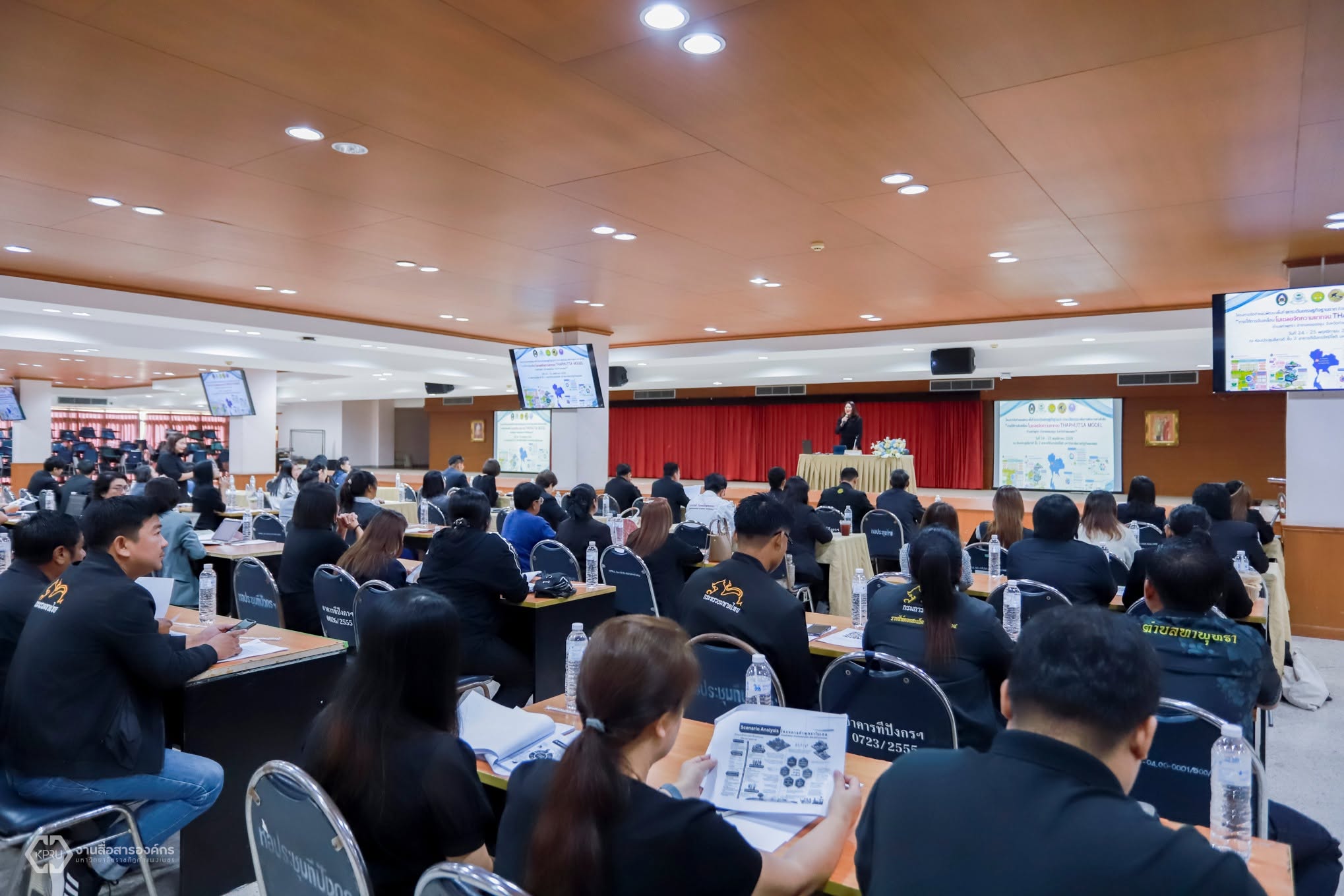
Joint planning continued at the THAPHUTSA MODEL planning workshop on 24–25 November 2025. Representatives from the Khlong Khlung district administration, Tha Phutsa Subdistrict Administrative Organisation, Tha Phutsa Subdistrict Municipality, businesses and community enterprises joined community leaders, university executives, faculty and staff. Participants worked in groups to identify structural problems and urgent community needs, then presented their findings to inform a draft three-year action plan for 2026–2028, including performance indicators. THAPHUTSA MODEL Planning Workshop, 24–25 November 2025
https://news.kpru.ac.th/news/98
Announcement of Kamphaeng Phet Rajabhat University Subject: Policy on University Engagement with Local Communities for Fiscal Year 2025
Report on External Stakeholder Participation in University Operations Advancing University–Community Engagement through Academic Services for Target Communities Kamphaeng Phet Rajabhat University 2025
 Related SDGs
KPRU Brings Together 70 Participants across Sectors to Develop a Grassroots Economic Development Plan through THAPHUTSA MODEL
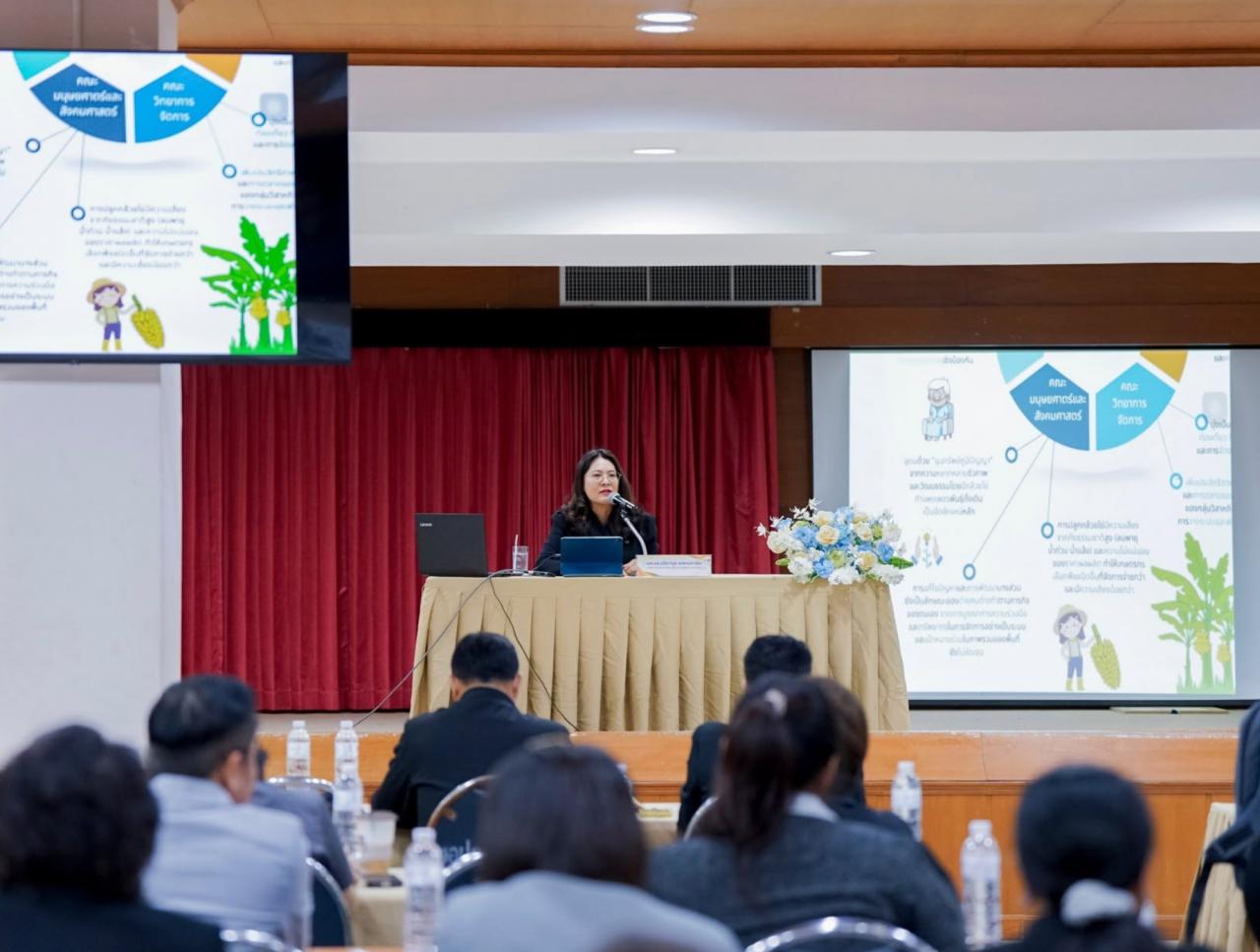
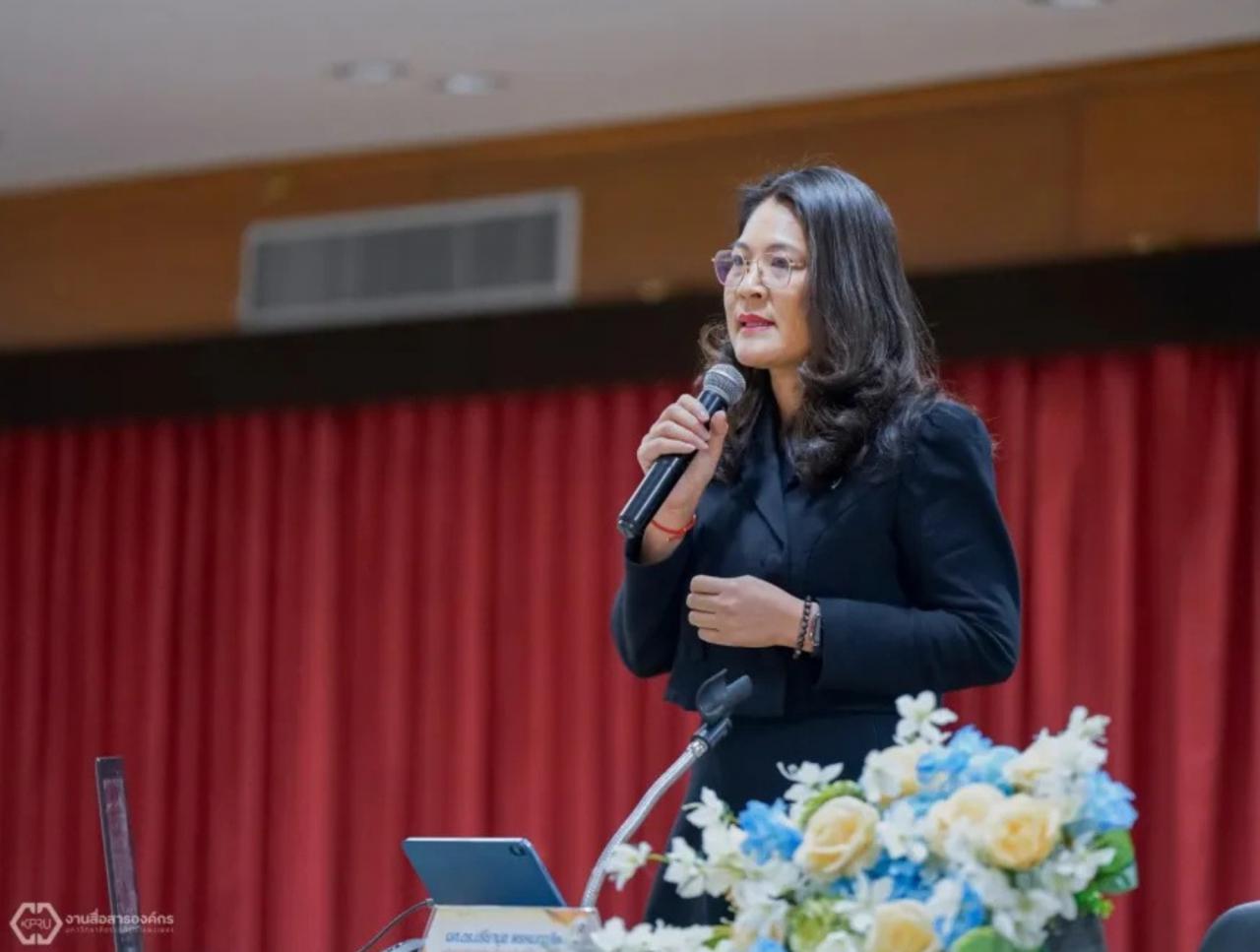
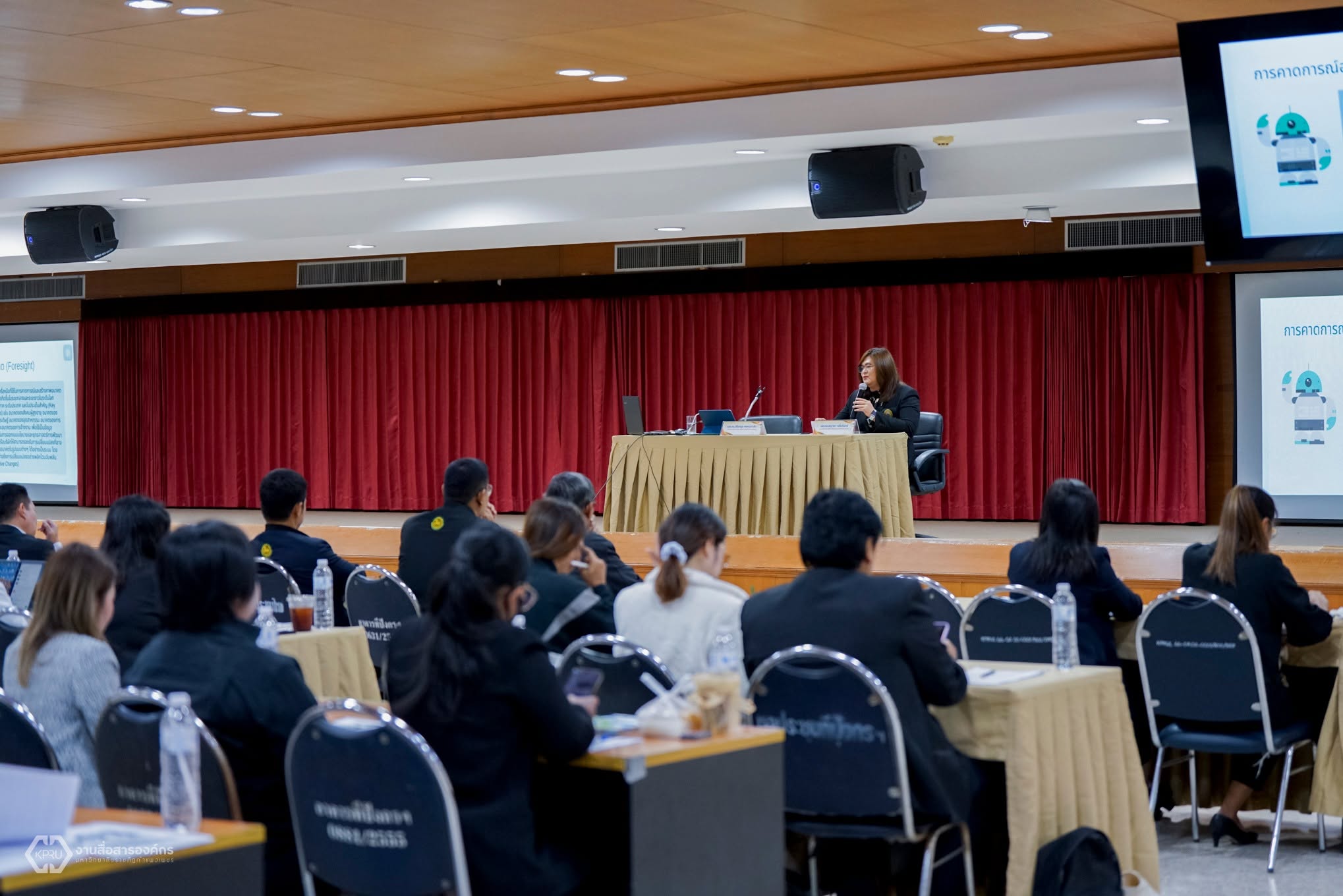
Kamphaeng Phet Rajabhat University (KPRU) provided a platform for government agencies, the private sector and local communities to exchange views and jointly plan for grassroots economic development and sustainable poverty reduction. The event formed part of a project to develop an innovation-based plan for sustainable grassroots economic development through THAPHUTSA MODEL in Tha Phutsa Subdistrict, Khlong Khlung District, Kamphaeng Phet Province. It took place on 24–25 November 2025 at the Leelawadee Meeting Room, Dipangkorn Rasmijoti Building, KPRU. Assistant Professor Dr. Preeyanuch Prompasit, President of KPRU, presided over the opening ceremony.
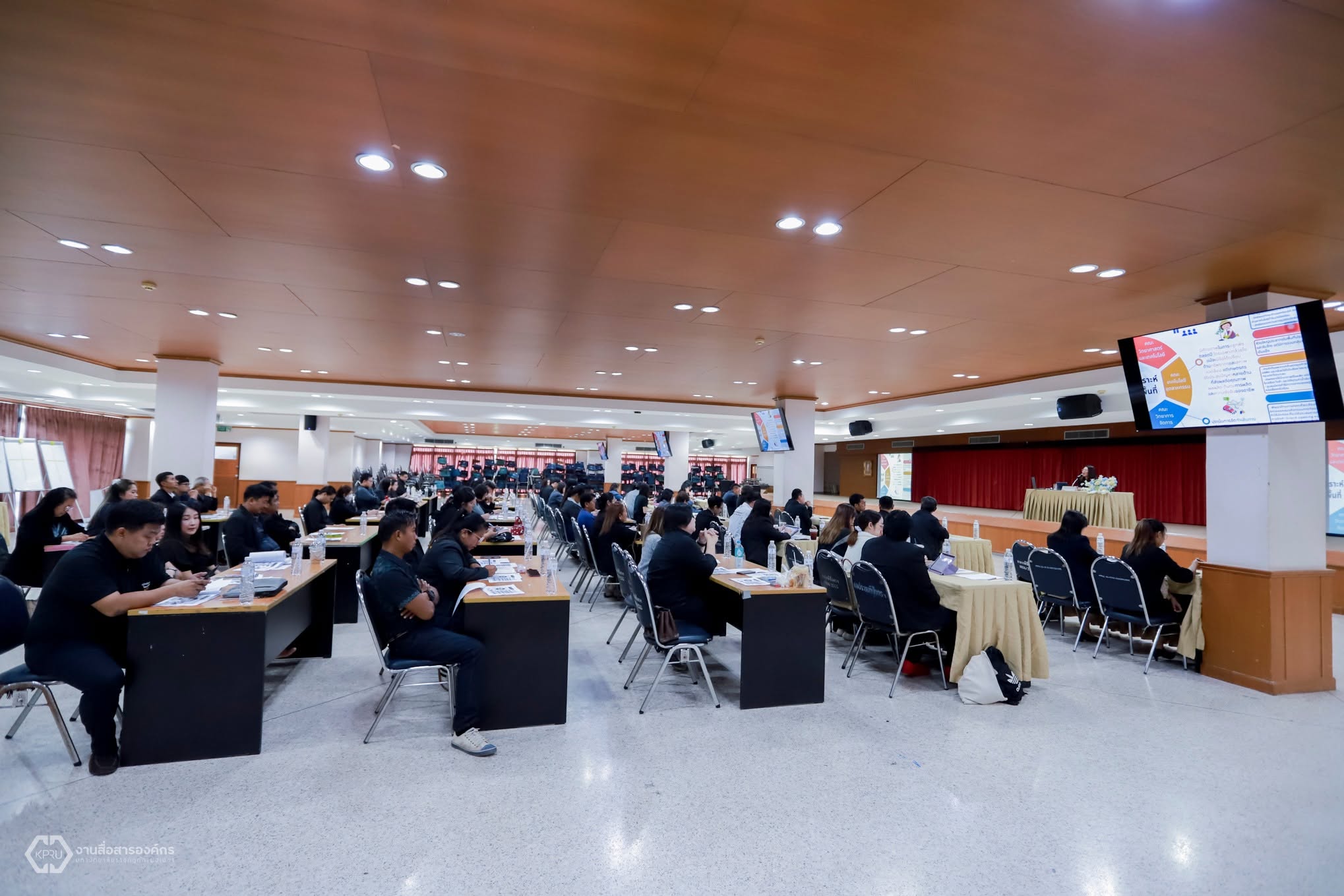
The event brought together 70 participants, including representatives from the Khlong Khlung district administration, Tha Phutsa Subdistrict Administrative Organisation, Tha Phutsa Subdistrict Municipality, government agencies and the private sector, as well as entrepreneurs, community enterprise representatives, community leaders, local residents, and university faculty and staff. During the workshops, participants worked together to analyse structural problems, identify urgent community needs, and exchange views on economic development, social development and quality of life. Each group then presented proposals to inform a draft development plan for the area.
The discussions resulted in a draft three-year action plan for 2026–2028, including performance indicators, to guide the next phase of THAPHUTSA MODEL. The plan integrates knowledge, innovation and technology, drawing on the Sufficiency Economy Philosophy and the Bio-Circular-Green (BCG) Economy concept. This initiative reflects the university’s role in bringing sectors together for dialogue, supporting community participation in local development planning, and connecting partners to support poverty eradication and sustainable local development.
Related News
University Coordination Centre for Local Community Development

Peace, Justice and Strong Institutions
Kamphaeng Phet Rajabhat University (KPRU) promotes stakeholder participation in local development through its Office of Academic Services and Revenue Generation. The Office coordinates university networks across faculties, institutes, centres, offices and academic programmes to implement the Rajabhat University Strategic Plan for Local Development. Its work connects university expertise with communities, government agencies, businesses and professional organisations to support learning and community development.
The Office also supports KPRU’s role as the provincial operating unit of the Ministry of Higher Education, Science, Research and Innovation in Kamphaeng Phet, known as “MHESI Front Office”. Based at the Office’s KPRU HOME building, this mechanism connects local development needs with academic knowledge, research, technology and innovation. It facilitates coordination between the university, provincial agencies and local partners to identify development priorities and prepare integrated projects.
Through its academic outreach and coordination functions, the Office supports consultation, joint planning and project monitoring. Internal project managers submit progress reports, project evaluation reports and expenditure reports to the Office, supporting oversight and the review of activities against community needs.
Office of Academic Services and Revenue Generation